 FPL FARMS LLP
Cart
FPL FARMS LLPCommercial ghee is often made by clarifying butter quickly at high heat, which produces a smooth, uniform product with a mild flavour. Desi ghee, made the traditional way, is simmered slowly so the milk solids caramelize gradually instead of separating out fast. That slow process is what gives desi ghee its deeper, almost nutty aroma.
One easy way to spot the difference is texture. Traditional desi ghee tends to set with a slightly grainy, granular structure, especially in cooler weather. Ghee that stays perfectly smooth and glassy in every season has usually been processed differently, often at a larger commercial scale.
Desi ghee also tends to have a noticeably higher smoke point in practice, which makes it well suited to frying and tempering spices without burning off the aroma. Because it's made in small batches without shortcuts, quantities are naturally more limited than mass-produced ghee, which is part of why it costs more per kilogram.
If you grew up with a specific ghee smell in the kitchen, that memory is doing real work: aroma is one of the most reliable indicators of how a ghee was actually made, more so than colour or packaging.
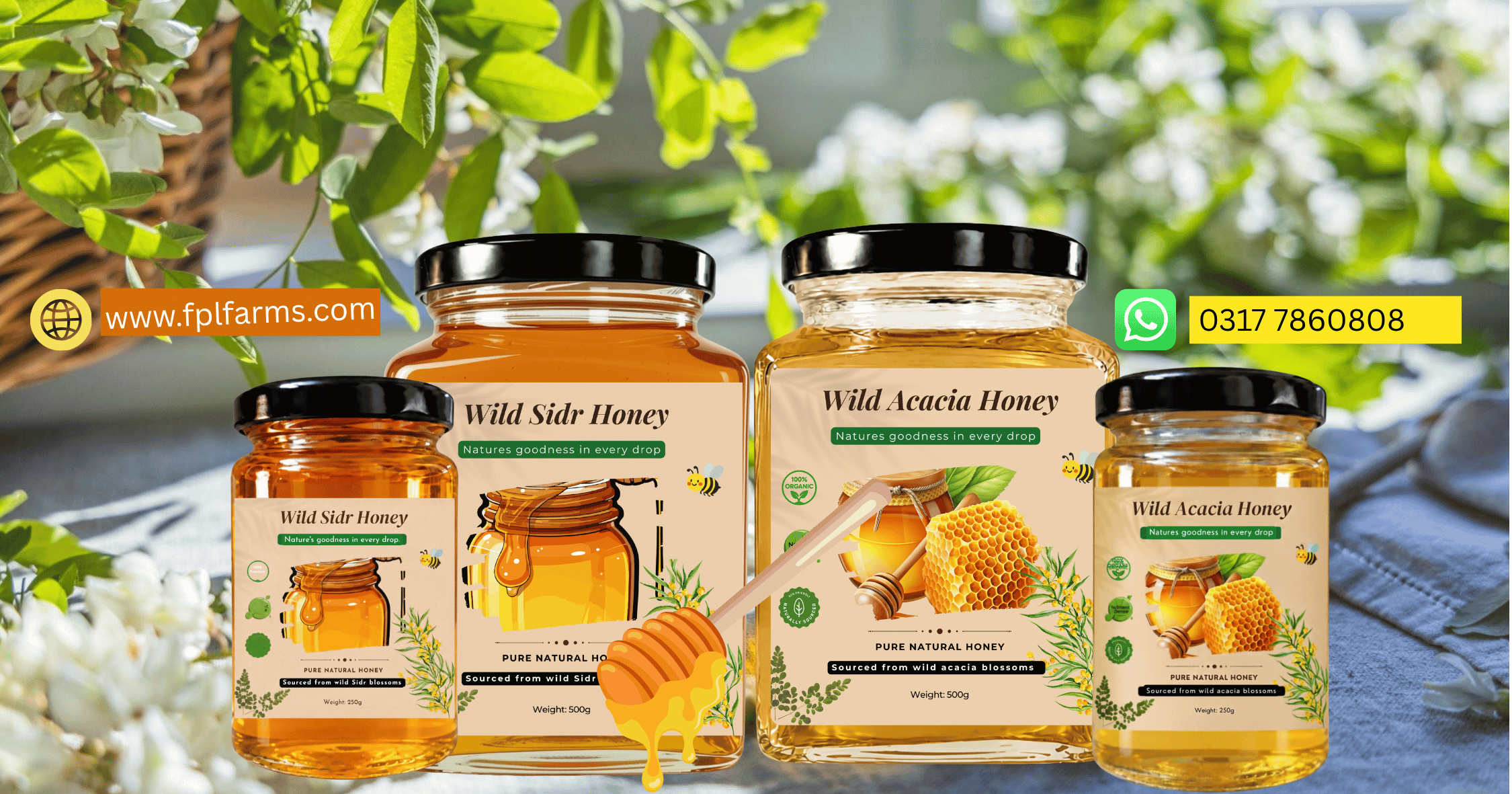
Discover the difference between real honey and treated honey. Learn about raw, pure and natural honey, quality testing, and buying honey online in Pakistan.
7 min read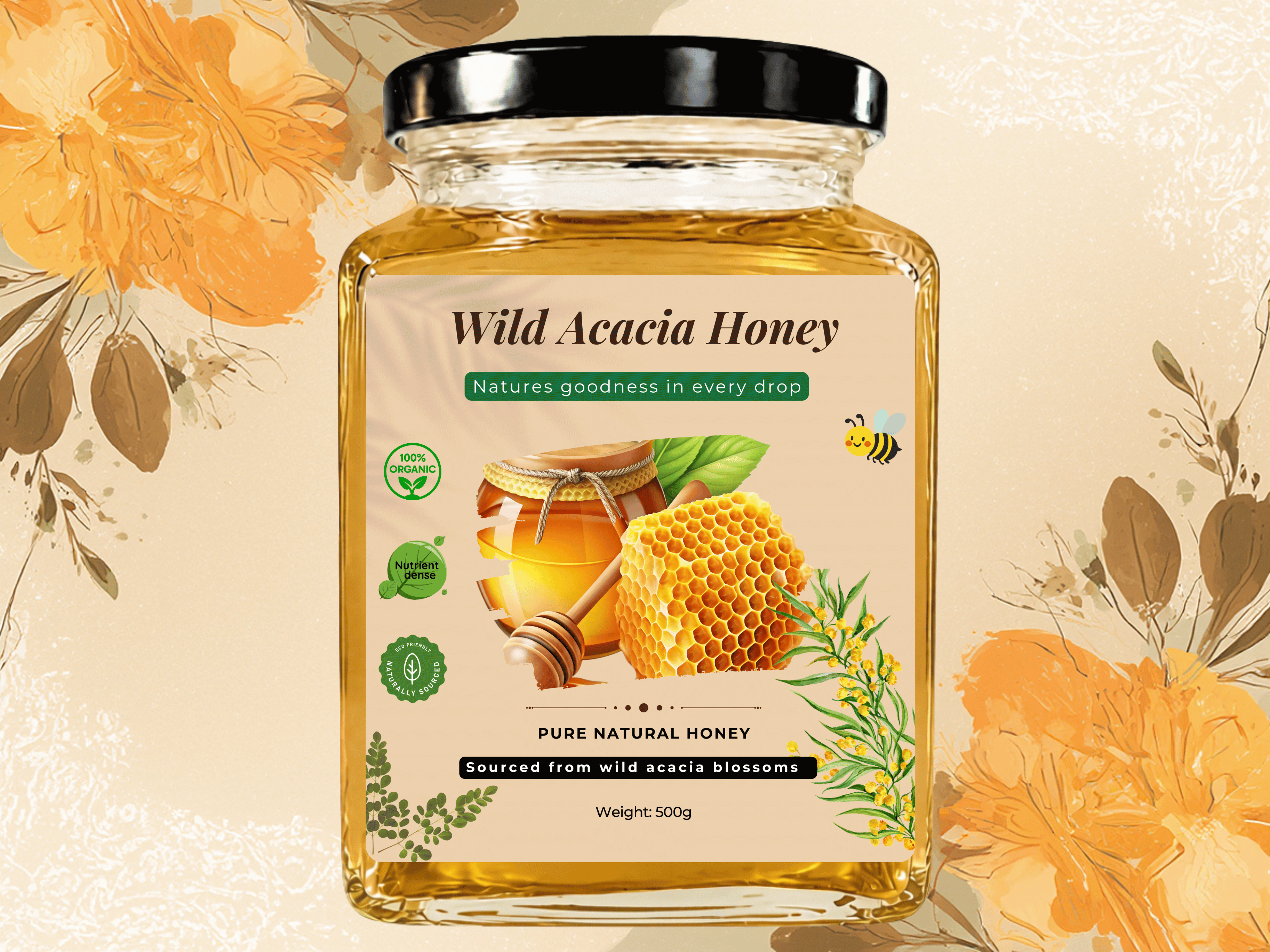
FPL FARMS Wild Acacia Honey made from Acacia blossom nectar
6 min read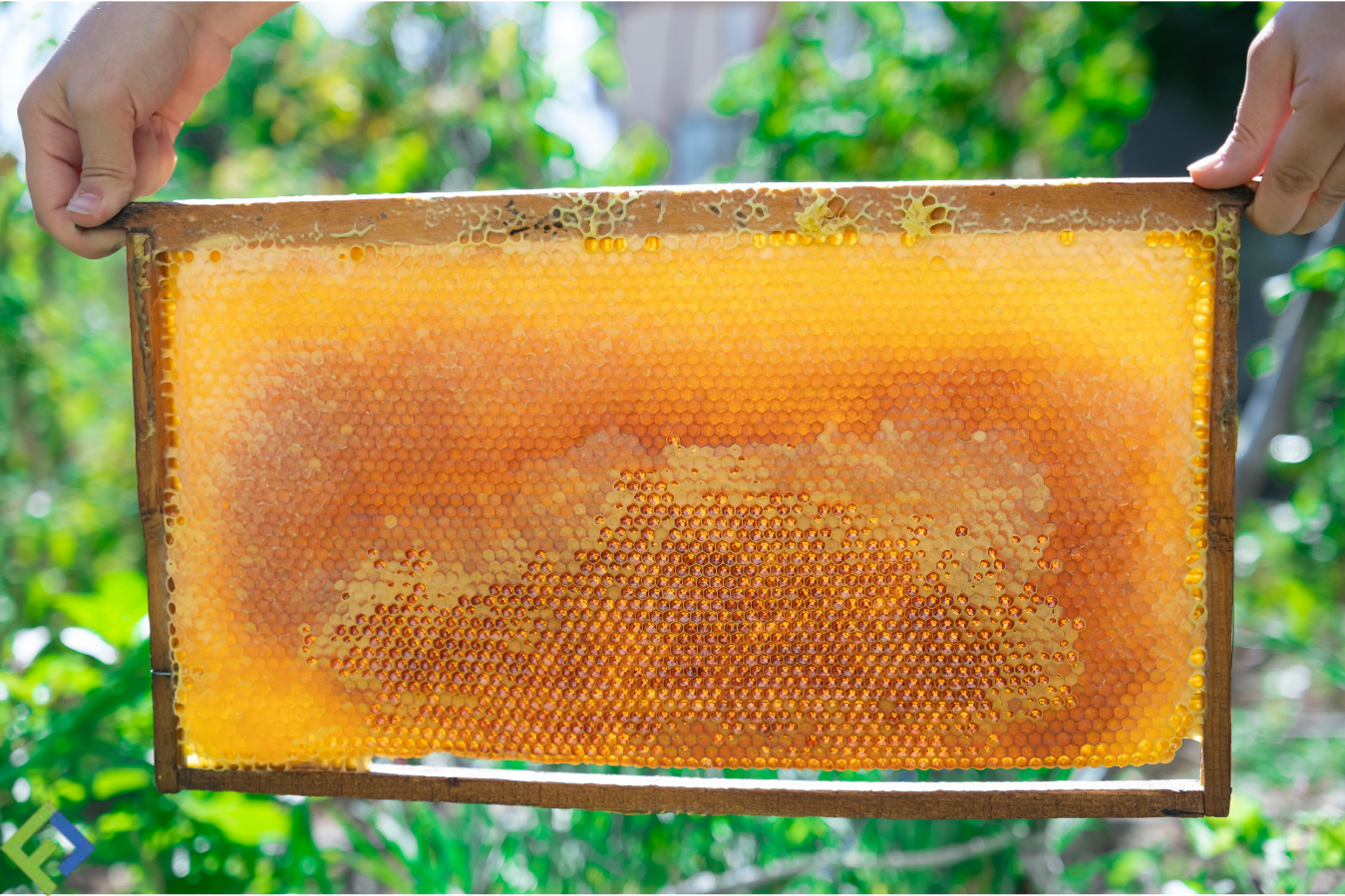
A behind-the-scenes look at how we harvest pure, natural wild acacia honey — from a wild bloom in Pakistan to a sealed jar on your table.
5 min read